

The Iron District: Charlotte’s Next Landmark Neighborhood
Charlotte continues to evolve into one of the fastest-growing urban centers in the United States, and a major project is about to reshape the connection between Uptown and South End.
Welcome to The Iron District — a transformative 55-acre mixed-use development planned for the former Charlotte Pipe and Foundry site along West Morehead Street. Once completed, this ambitious project will create a vibrant new urban neighborhood with residential living, retail, office space, hotels, and arts experiences all in one place.
For homebuyers, investors, and people relocating to the Charlotte area, the Iron District represents one of the most exciting developments in the city’s future.
What Is the Iron District in Charlotte?
The Iron District is a large-scale urban redevelopment project designed to bridge
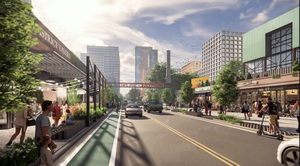
The Iron District will feature a vibrant main street connecting Uptown and South End Charlotte.
Uptown and South End, two of Charlotte’s most dynamic neighborhoods.
The site sits just minutes from Bank of America Stadium and major highways, placing it at the center of Charlotte’s growing urban core. According to project plans, the development will span 55 acres and unfold across four phases, ultimately delivering between 4 and 7 million square feet of mixed-use space.
Key highlights of the full project

Restaurants and dining experiences will be a major part of The Iron District lifestyle district near Uptown Charlotte.
include:
2,000 residential units
300,000+ square feet of retail
1 million square feet of office space
520 hotel rooms
Public parks, plazas, and outdoor gathering spaces
The project will effectively create a new walkable district between Uptown, South End, and Wilmore, strengthening connectivity between some of Charlotte’s most desirable areas.
A Historic Site Reimagined
The Iron District sits on land formerly occupied by Charlotte Pipe and Foundry, a company that has been part of the city’s industrial history
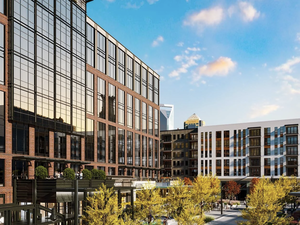
A pedestrian-friendly plaza connecting residential buildings, offices, and retail in the Iron District development near Uptown Charlotte.
for over a century.
Developers are preserving that legacy while transforming the site into a modern urban destination. The project’s name reflects the site’s industrial roots while symbolizing a new chapter for Charlotte’s future.
This redevelopment is part of a broader trend in Charlotte where former industrial areas are being revitalized into mixed-use communities—similar to how South End evolved over the past decade.
Phase 1: What’s Coming First
The first phase of the Iron District is scheduled to break ground in 2026, with delivery expected around 2028.
Phase 1 will include:
500 luxury apartment units
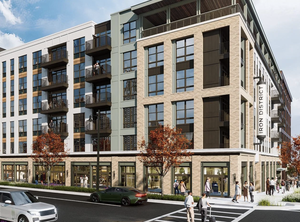
The Iron District branding and streetscape highlighting the future mixed-use destination in Charlotte.
120,000 square feet of retail and restaurants
208,000 square feet of Class A office space
150-room hotel
Public plazas and green spaces
The layout will feature pedestrian-friendly streets, outdoor gathering areas, and easy walkability between shops, restaurants, and offices.
Retail concepts envisioned for the district

A modern coworking-style office space envisioned for businesses and startups in Charlotte’s Iron District mixed-use development.
include:
Boutique shops
Restaurants and cafés
Entertainment venues
Wellness and fitness spaces
Neighborhood services
The goal is to create a destination lifestyle district, similar to Atherton Mill or Optimist Hall, but on a much larger scale.
Blume Studios: The Arts Anchor
A major cultural component already open at the Iron District is Blume Studios, a 32,000-square-foot immersive arts and performance venue operated by Blumenthal Arts.
This space features:
Multimedia art exhibitions
Creative technology installations
Artist workshops and collaborations
Live performance events
Blume Studios helps establish the Iron District as not just a commercial hub but also a creative and cultural destination for Charlotte’s growing arts scene.
Why the Location Is So Valuable
One of the biggest advantages of the Iron District is its location.
The development sits:
½ mile from Uptown
Steps from South End
Near Interstate 277 and I-77
Close to the LYNX Light Rail and future transit expansion
Residents and visitors will be minutes away from:
Bank of America Stadium
Truist Field
Romare Bearden Park
Charlotte’s business district
South End’s restaurants and breweries
With more than 130,000 employees working within three miles, the area has a built-in audience for retail, restaurants, and entertainment.
How the Iron District Will Impact Charlotte Real Estate
Large mixed-use developments like this typically create ripple effects across nearby neighborhoods.
Areas expected to benefit include:
Wilmore
FreemoreWest
Third Ward
South End
Wesley Heights
These neighborhoods could see:
Increased property values
New housing demand
Expanded dining and entertainment options
Improved walkability and transit access
For real estate investors and homebuyers, the Iron District could become one of the most influential developments shaping Charlotte’s housing market over the next decade.
The Future of Charlotte’s Urban Core
Charlotte is already one of the top inbound migration destinations in the U.S., with about 157 people moving to the region every day.
Projects like the Iron District help support that growth by adding:
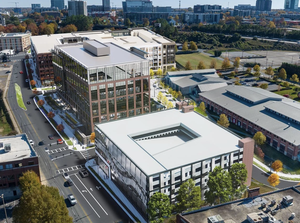
A bird’s-eye view of The Iron District project highlighting new office buildings, apartments, and retail near Uptown Charlotte.
Housing
Walkable entertainment districts
Jobs
Cultural spaces
As the development progresses through its phases, the Iron District will likely become a major hub for residents, professionals, and visitors in Charlotte’s urban core.
Final Thoughts
The Iron District represents more than just another development—it’s a vision for Charlotte’s future urban lifestyle.
By blending residential living, retail, office space, hotels, and arts experiences in one walkable district, the project will help connect Uptown and South End while creating a vibrant new neighborhood.
For buyers, investors, and people relocating to the Queen City, it’s definitely a project worth watching.
Check out this article next