

Locally grown produce is unbeatable in its taste and freshness. Growing your own herbs, fruits, and vegetables is one of the best ways to increase your access to fresh produce and promote healthy eating in your household. It’s never too early to start planning a kitchen garden. Although you may not build the garden until early spring, you can begin gathering materials and planning the layout in the winter. Here’s everything you need to know about starting and maintaining a kitchen garden:
Picking The Location
Your first step in preparing to build a kitchen garden is choosing the location. Ideally, your kitchen garden should be close to the home and easy to access from the kitchen. This will make it easier for you to actually utilize the vegetables and herbs in your cooking. Also, the closer your garden is to your house, the lower the risk is of animals eating the produce. If there are a lot of critters in your neighborhood, you should also consider enclosing the garden with a fence.
Most herbs and vegetables like bright conditions, so choose a sunny location for your kitchen garden. South-facing gardens get the most sun exposure, and north-facing gardens get the least. Your kitchen garden should get at least six hours of sunlight per day.
Choosing The Plants
Your choice of plants for your kitchen garden should depend on your location. Climate and growing conditions vary dramatically across the country. A garden in the hot and sunny Southwest, for instance, will have much different needs than a garden in the cooler Northeast. Use the USDA’s Plant Hardiness Zone Map to find your growing zone. Then, you can research the vegetables that grow best in your zone and when they should be planted. Try to choose plants that peak at varying times of the year. This will ensure that you have a consistent harvest of different foods throughout the summer and fall.
If you’re new to gardening, you should also focus on the plants that you know you’ll use in the kitchen. Start with a couple of fruits or vegetables as well as a couple of herbs. Tomatoes, cucumbers, peppers, and peas are all great for beginners. It can be tempting to try to build a vast garden with a wide variety of crops, but it’s generally better to start small in your first year. Then, once you become comfortable growing a handful of plants, you can start adding new ones to your garden in the years to come.
Preparing The Garden
Building a kitchen garden from scratch can be a time-consuming process. If you don’t have an existing garden bed, you should plan to start building one in late winter or early spring. This will give you plenty of time to accumulate supplies and build the garden bed before you have to plant the produce.
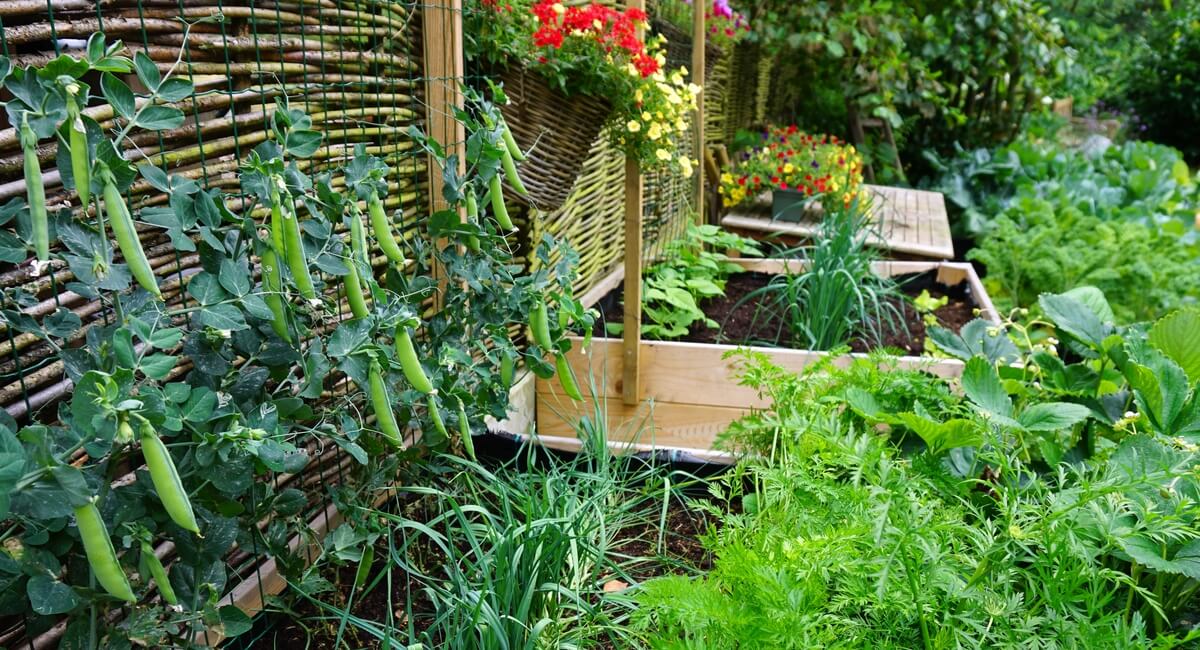
You can build a kitchen garden directly in the ground or with raised beds or containers. Many gardeners prefer raised beds because they provide more control over the quality of the soil. You can either purchase a kit to build raised garden beds, or you can make it a DIY project. The biggest downside of building raised beds is that it’s more expensive than creating an in-ground garden. Raised garden beds also require more frequent watering.
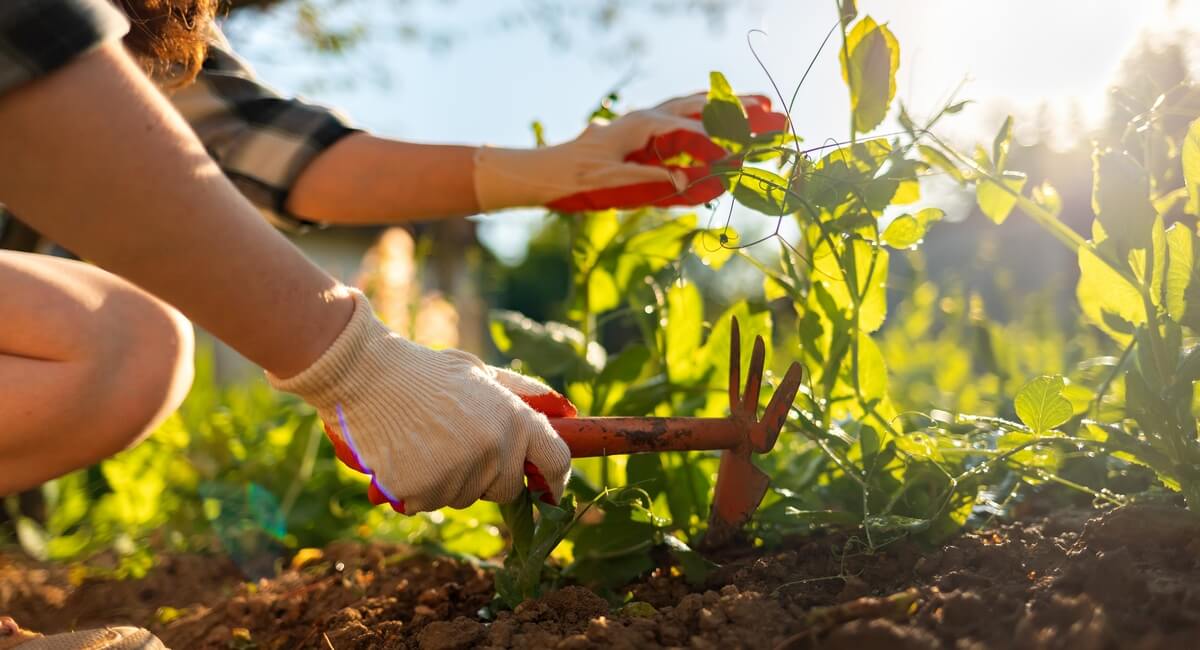
Building your garden directly in the ground allows you to use your yard’s existing soil. This cuts down on your start-up costs, but it can lead to quality issues. Consider testing your soil to determine if it’s alkaline or acidic and if it’s missing any nutrients. You’ll likely have to add compost or additional nutrient-rich soil to an in-ground garden to help the plants grow successfully. Preparing an in-ground garden can also be very labor-intensive. You have to till the soil, break up the clumps of dirt, and remove all weeds from the garden bed.
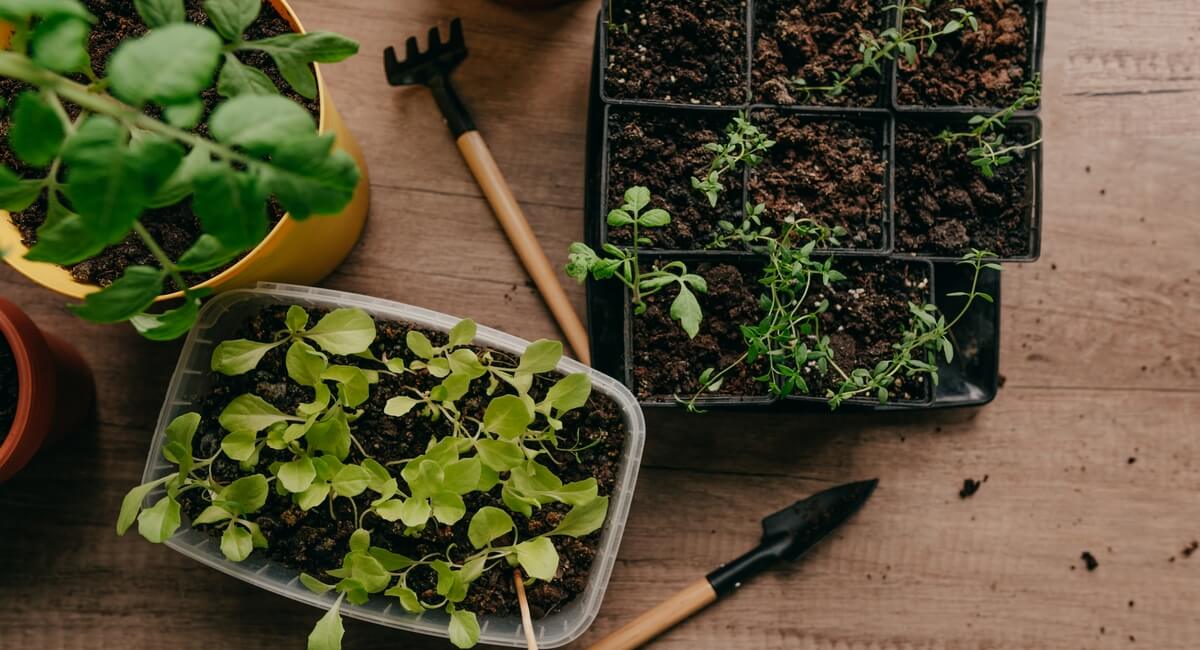
Many vegetables and herbs need to be started in containers before being transplanted into the garden. Research when to start your seeds based on your growing zone. For example, tomato seeds should typically be started six to eight weeks before the last frost. Seedlings need adequate lighting conditions indoors, so you should either place them near a sunny window or invest in growing lights.
Some seeds can be sown directly in the garden, such as beets, lettuce, peppers, and beans. However, the soil must be at least 50 to 60 degrees for the seeds to germinate. Planting the seeds when it’s still too cold could be detrimental to your kitchen garden. If you’re new to gardening, purchasing plants from your local garden center and transplanting them may be easier than starting them from seed.
Arranging The Plants
You may have put several months of work into preparing your garden and growing your seedlings before it’s finally time to plant them. The planting process is one of the most enjoyable and exciting steps in building a garden. Most plants should be watered thoroughly right before being planted. Then, you can dig a small hole in the soil, gently place the root ball inside, and fill the hole in again.
Carefully choosing the arrangement of your plants in your garden is vital. Consider how tall or wide the mature plants will be, and make sure every plant has plenty of room to grow. You should also make sure you’ll be able to access all of the plants when it’s time to harvest the vegetables. If one of your plants needs lower lighting, try to arrange it so it’s partially blocked by the other plants.
Companion planting is another helpful topic to research when planning your kitchen garden. Some plants grow exceptionally well when placed next to each other. For example, many pests that target tomato plants hate the smell of basil, so you could plant basil next to your tomatoes. Similarly, sage repels carrot flies, so you could place sage next to your carrots. You could also plant a few sunflowers in your kitchen garden to offer support for beans and other climbing plants.
Caring For The Plants
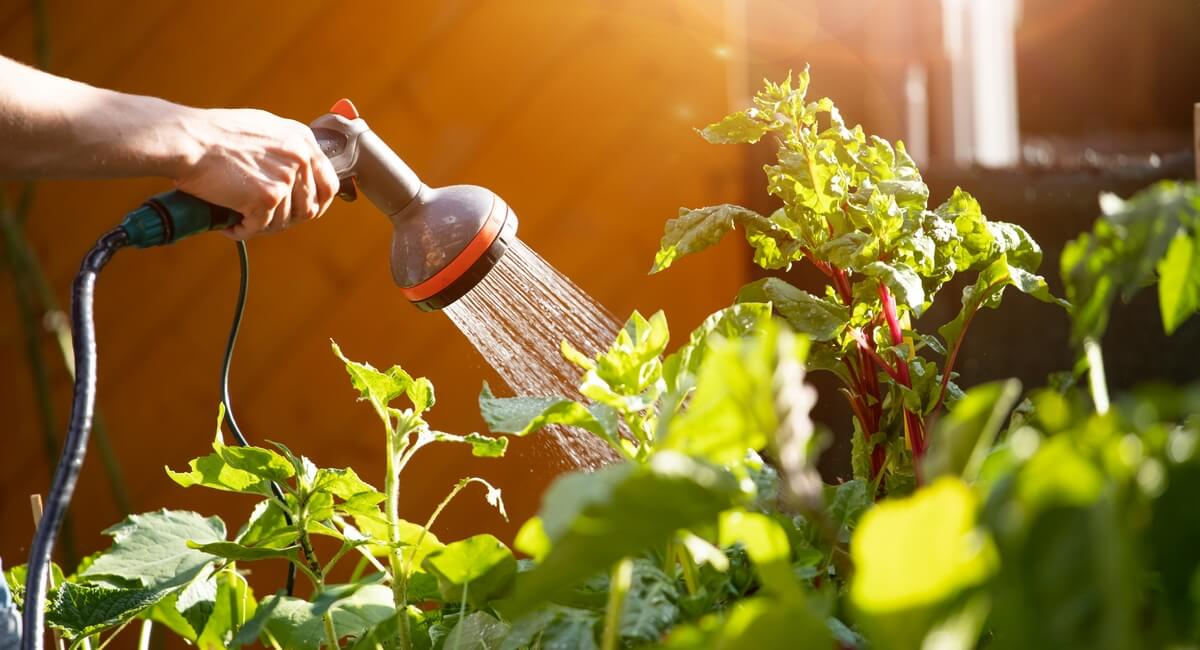
All plants have different requirements for upkeep, and some are more sensitive to their conditions than others. This is why it’s so important to start small with your kitchen garden. Become familiar with a few plants and their needs, and then gradually expand your knowledge.
Some of your vegetables may require stakes, cages, or trellises to grow properly. When planning the layout of your garden, make sure you include enough space for these items. Most edible plants don’t need to be pruned or thinned, but tomato plants should be pruned. Fertilizers can be very helpful, but all plants have different nutrient needs, so you may need to use different products in different areas of the garden.
Harvesting the produce from your kitchen garden is an incredibly rewarding experience. When produce is shipped around the world, it has to be picked before it reaches peak ripeness. In your own garden, though, you can harvest the vegetables when they’re perfectly ripe, full of flavor, and packed with nutrients.
Building a kitchen garden can take a lot of work initially, but maintaining your garden becomes easier and less expensive with each passing year. Not only is vegetable gardening a relaxing hobby, but it provides your household with fresh and delicious produce that will elevate all of your meals.